











Ebola: Causes, Symptoms & Treatment

September 14, 2018
Ebola virus disease (EVD) is a rare and often-fatal infection caused by one of the five strains of the Ebola virus. Here are some facts about this deadly disease:
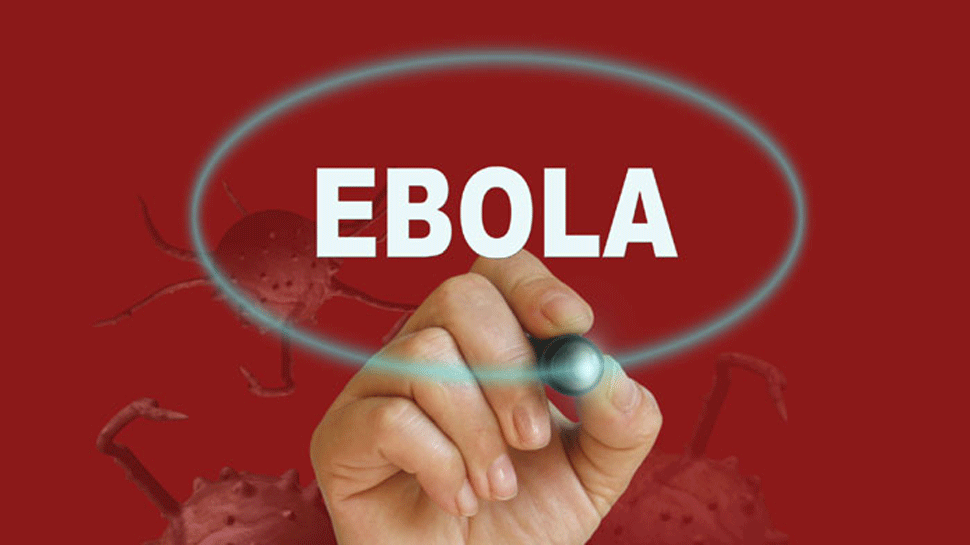
- Ebola first appeared in 1976 in a simultaneous outbreak in the areas that are now Sudan and the Democratic Republic of the Congo, according to the World Health Organization (WHO). Since then, there have been sporadic outbreaks in Africa.
- Worldwide, there have been 28,639 cases of Ebola virus disease and 11,316 deaths as of March 13, 2016, according to the Centers for Disease Control and Prevention (CDC).
- One of the largest Ebola outbreaks began in March 2014 and, as of March 20, 2016, there have been 28,608 reported Ebola cases from this outbreak, according to the CDC. Of these cases, 15,219 have been confirmed by laboratory testing.
- The total number of deaths from Ebola is 11,305. More recently, a new Ebola flare-up occurred in Guinea in early 2016, with 800 confirmed Ebola cases as of March 22, 2016.
Causes and origins
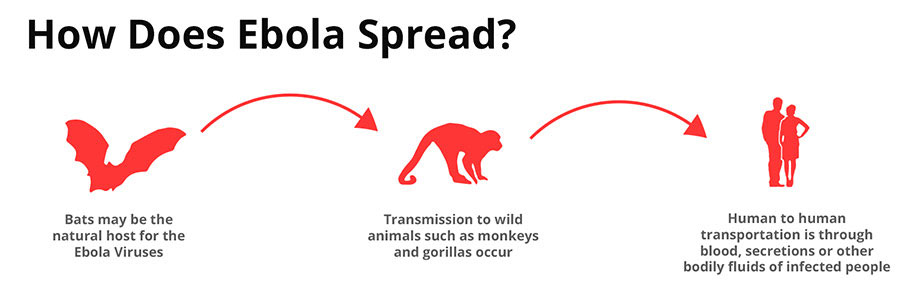
The Ebola virus may have initially been transmitted to humans from bats. Some experts think that the quick spread of this virus from Central to West Africa may be due to bats’ travel patterns across Africa. Researchers have said that Ebola may have continued to spread within West Africa once it arrived because the outbreak is happening in an underdeveloped area of the world that is unprepared to deal with it.
Symptoms and diagnosis
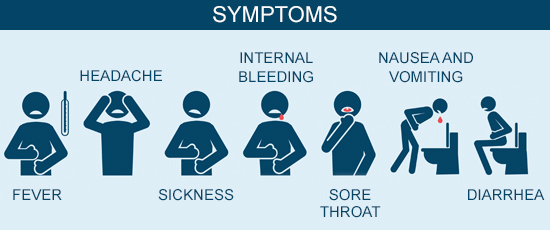
- A fever greater than 101.5 degrees Fahrenheit (38.6 degrees Celsius)
- Muscle pain
- Severe headache
- Weakness
- Diarrhea
- Vomiting
- Abdominal pain
Common tests include:
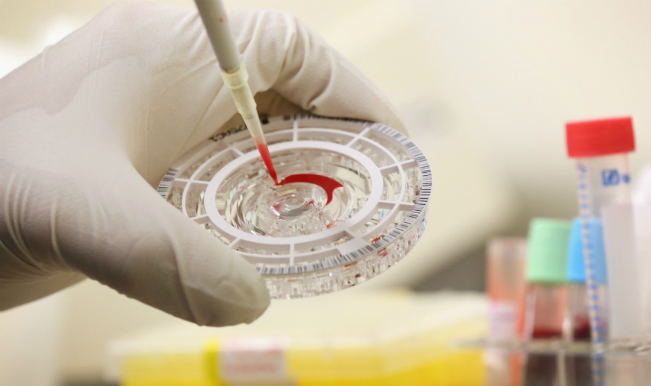
- Virus isolation by cell culture
- Antibody-capture enzyme-linked immunosorbent assay (ELISA)
- Serum neutralization test
- Antigen-capture detection tests
- Electron microscopy
- Reverse transcriptase polymerase chain reaction (RT-PCR) assay
Ebola treatment
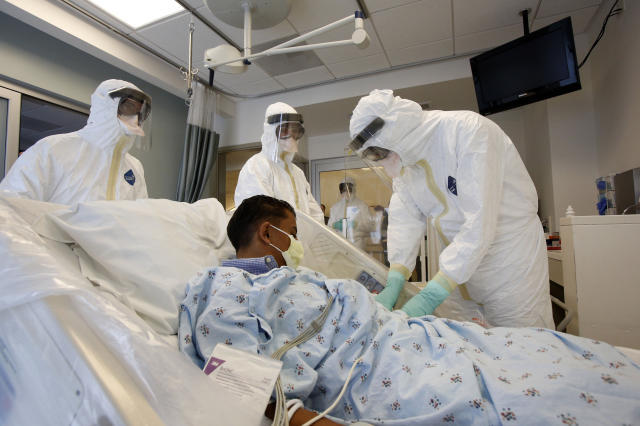
There is no cure for Ebola, nor are there any vaccines that can prevent the disease. Those who recover from the disease do so through the strength of their own immune system, according to the CDC.Doctors have found that one of the most important treatments for patients afflicted with the virus is simply keeping them well hydrated and helping them breathe, to give their immune system a better chance to fight off the disease.
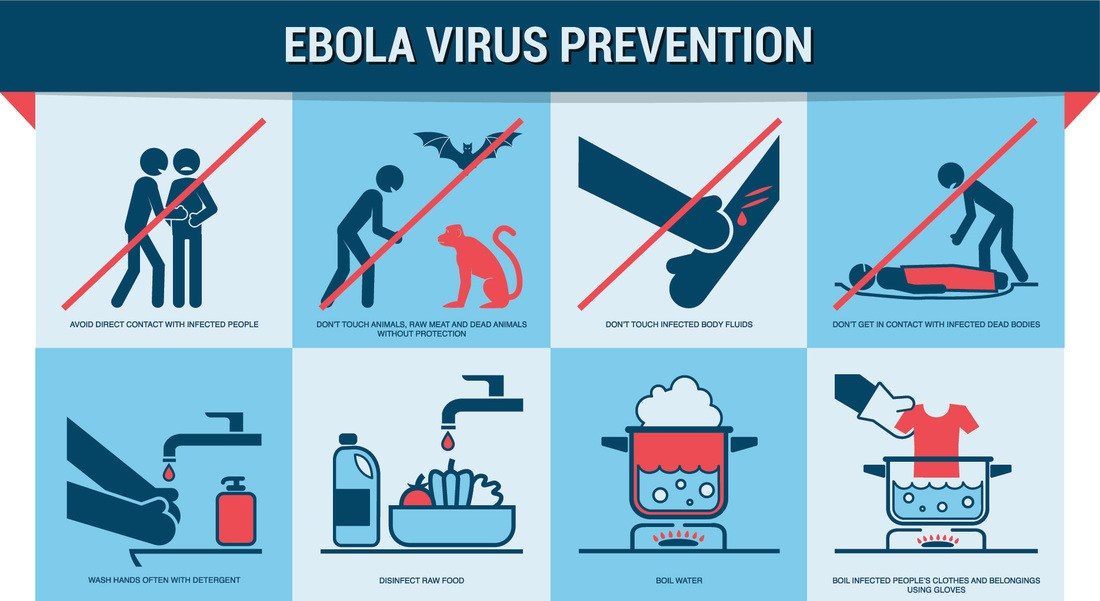
Prevention:
In October 2014, WHO and the Liberian Ministry of Health with support from USAID, created a training program for health workers who are treating patients with Ebola. The program focuses\ on patient care, infection prevention and control. Six Ebola survivors are helping with the project, to give an inside look at what it is like to have the disease. Companies are also producing machines that will make disinfection easier for clinics and hospitals. For example, medical device maker Xenex, based in San Antonio, Texas, has developed a robot that uses pulses of ultraviolet UV-C rays to disinfect hospital rooms. The company claims it can rid any room of Ebola in two minutes.